









Introduction
Eden Hall is a name shared by several historic landmarks, but one of the most notable is the grand country estate in Cumbria, England. Renowned for its rich history, elegant architecture, and connection to the famous Legend of the Luck of Edenhall, this estate has fascinated historians, travelers, and heritage enthusiasts for centuries. Its story blends medieval tradition, aristocratic influence, and cultural folklore, making it far more than a beautiful country house.
Although parts of the original estate have changed over time, Eden Hall remains an important symbol of England’s architectural and historical heritage. From its distinguished owners to the legendary glass known as the Luck of Edenhall, every chapter of its history offers valuable insight into Britain’s past.
The Origins of Eden Hall
The history of Eden Hall stretches back several centuries. Located near the village of Edenhall in Cumbria, the estate occupied a picturesque setting close to the River Eden. The surrounding landscape, filled with rolling hills and ancient woodlands, made it an attractive residence for influential families throughout English history.
The Hall became closely associated with the Musgrave family, one of northern England’s most prominent noble families. Their ownership helped transform the estate into a respected country residence that reflected wealth, political influence, and refined taste. Over generations, the family expanded and improved the property while preserving many of its historical features.
Architectural Development Through the Centuries
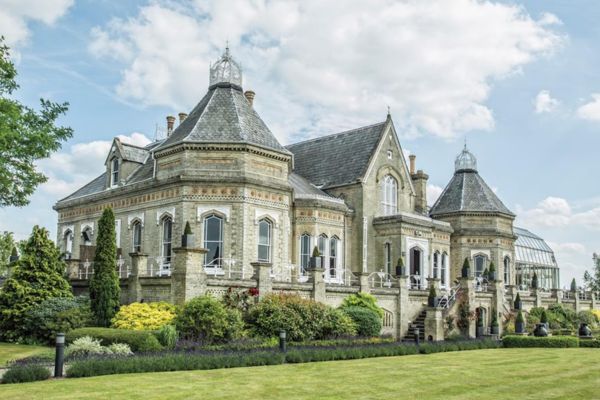
The appearance of Eden Hall evolved significantly as architectural styles changed across different eras. Medieval foundations gradually gave way to Georgian and Victorian additions, creating a structure that showcased multiple periods of English design. Each renovation respected the estate’s heritage while introducing modern comforts for its residents.
Visitors admired the Hall for its elegant stone construction, spacious reception rooms, decorative interiors, and beautifully maintained grounds. The surrounding gardens complemented the architecture by blending formal landscaping with the natural beauty of Cumbria. This balance between human craftsmanship and the landscape contributed greatly to the estate’s lasting appeal.
Distinctive Features of the Estate
Several architectural elements helped distinguish Eden Hall from other country houses in the region. Large sash windows allowed natural light to fill the interiors, while impressive staircases reflected the craftsmanship of skilled builders. Ornamental fireplaces, detailed wood paneling, and carefully designed ceilings demonstrated the high standards expected in aristocratic homes.
Beyond the main residence, the estate included gardens, agricultural land, and supporting buildings that enabled daily operations. Together, these features created a self-sufficient country estate typical of England’s landed gentry during the eighteenth and nineteenth centuries.
The Legend of the Luck of Edenhall
Perhaps the most famous aspect of Eden Hall is its connection to the legendary Luck of Edenhall. This remarkable glass drinking vessel became one of England’s best-known historical treasures. According to local folklore, supernatural beings once left the glass behind after drinking from a nearby spring. Before disappearing, they warned that the family’s fortune would endure only as long as the delicate vessel remained unbroken.
Whether the story originated from folklore or imagination, the legend quickly became part of local tradition. Generations of the Musgrave family carefully protected the glass, believing its safety was linked to the family’s prosperity. The tale inspired countless visitors and became deeply rooted in English folklore.
Historical Importance of the Luck of Edenhall
Historians believe the famous glass dates back several centuries and likely originated in the Middle East before reaching England through medieval trade routes. Its exceptional craftsmanship and unusual design made it valuable even without the surrounding legend. Over time, the object attracted scholars interested in both decorative arts and cultural history.
The combination of documented history and enduring folklore transformed the Luck of Edenhall into an internationally recognized artifact. Today, it remains an important example of how historical objects can gain additional meaning through storytelling passed from one generation to another.
Why the Legend Still Captivates People
Legends often survive because they connect ordinary places with extraordinary stories. In the case of Eden Hall, the mysterious warning surrounding the glass created a lasting sense of intrigue. Visitors found themselves equally interested in the estate’s architecture and the possibility that an ancient curse or blessing shaped its history.
Modern audiences continue to appreciate the story because it combines history, mystery, and cultural tradition. Even those who doubt the supernatural aspects recognize the legend as an important part of England’s rich folklore.
The Musgrave Family and Their Lasting Influence
For centuries, the Musgrave family played a central role in the identity of Eden Hall. They were influential landowners who contributed to regional politics, military service, and local development. Their stewardship ensured the estate remained an important center of social and economic activity within Cumbria.
Like many aristocratic families, the Musgraves faced changing economic conditions over the years. Agricultural reforms, shifting political landscapes, and the increasing costs of maintaining large country houses gradually affected their ability to preserve the estate in its traditional form. Nevertheless, their legacy remains closely connected to Eden Hall’s historical significance.
Eden Hall’s Place in English Heritage
Country houses such as Eden Hall provide valuable insight into England’s social history. They reveal how noble families lived, managed their estates, and influenced surrounding communities. Historians study these properties to better understand architecture, land management, and the cultural traditions that shaped rural Britain.
Eden Hall also illustrates the relationship between documented historical events and local folklore. While archival records explain ownership and architectural development, legends like the Luck of Edenhall demonstrate how storytelling enriches historical memory. Together, these elements create a more complete picture of England’s heritage.
Changes in the Modern Era
Like many historic estates, Eden Hall experienced significant changes during the twentieth century. Maintaining large country houses became increasingly expensive, and numerous estates across Britain faced demolition, redevelopment, or partial preservation. Although parts of Eden Hall no longer exist in their original form, its historical importance continues through surviving records, preserved artifacts, and local heritage efforts.
Today, historians, researchers, and cultural organizations continue documenting the estate’s history. Their work ensures future generations understand both its architectural achievements and the remarkable stories associated with the property.
Cultural Impact Beyond Cumbria
The influence of Eden Hall extends well beyond its physical location. Writers, historians, and artists have drawn inspiration from its famous legend for generations. Poems, historical essays, and literary works referencing the Luck of Edenhall helped introduce the estate to audiences around the world.
This broader cultural recognition demonstrates how a single historic location can become part of international heritage. The combination of authentic history and memorable folklore gives Eden Hall a unique place within British cultural tradition.
Why Eden Hall Continues to Fascinate Visitors
Interest in Eden Hall remains strong because it represents more than a beautiful historic residence. The estate offers a window into aristocratic life, architectural evolution, medieval trade, and centuries-old folklore. Each aspect contributes to a richer understanding of England’s cultural landscape.
History enthusiasts appreciate the documented facts surrounding the Musgrave family and the estate’s development, while lovers of folklore remain captivated by the enduring mystery of the Luck of Edenhall. This blend of fact and legend ensures the estate continues attracting attention from diverse audiences.
Conclusion
Eden Hall stands as one of England’s most intriguing historic estates, combining architectural elegance with centuries of remarkable history. Its association with the Musgrave family and the legendary Luck of Edenhall has transformed it into an enduring symbol of British heritage. Although the estate has changed over time, its historical significance remains firmly intact.
Today, Eden Hall continues inspiring historians, travelers, and cultural enthusiasts who seek to understand England’s rich past. Its story demonstrates how architecture, family legacy, and timeless folklore can come together to create a place of lasting historical importance. Through both documented history and cherished legend, Eden Hall continues to hold a unique place in England’s cultural memory.