









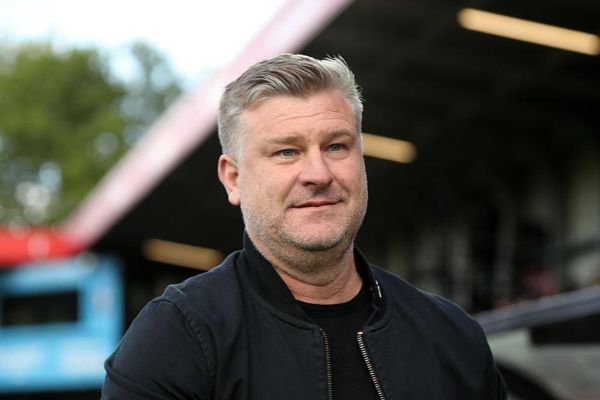
dentity and ambitions to return to a higher division, creating a demanding environment for its new manager. Robinson inherited a team that needed consistency and direction, while supporters expected visible progress and competitive performances.
His time at Charlton included periods of promise alongside frustrating results. Managing a club with a passionate fan base can be difficult when performances fail to match expectations, particularly when promotion remains an important objective. Nevertheless, the experience added another chapter to Robinson’s career and exposed him to the different pressures associated with managing a historic club seeking to rebuild its position.
Oxford United: Building Another Chapter
Karl Robinson took charge of Oxford United in 2018 and remained with the club until 2023. His appointment offered another opportunity to develop a competitive team and pursue promotion. Oxford became an important part of his managerial journey because of the length of his tenure and the variety of challenges he encountered during several seasons in charge.
During his time at the Kassam Stadium, Robinson helped Oxford compete in League One and reach the play-offs. However, promotion proved difficult to achieve, and expectations gradually increased. His departure in February 2023 marked the end of a substantial period at the club. Even so, his Oxford tenure provided valuable experience in recruitment, squad management and the challenge of maintaining consistency across a long league campaign.
Salford City and His Later Career
Karl Robinson later moved to Salford City, a club with ambitions of progressing through the English football pyramid. His appointment brought experience from previous managerial positions and an understanding of the demands of promotion-focused football. Salford offered a different challenge, requiring him to work within a club seeking to establish itself among the stronger sides in the lower divisions.
His spell ended in June 2026 after Salford lost to Notts County in the League Two play-off final at Wembley. Although the defeat ended the club’s immediate promotion hopes, reaching the final represented a significant stage in the campaign. Robinson’s departure closed another chapter in his career and left questions about where he might take his experience next.
Karl Robinson’s Coaching Style and Football Philosophy
Developing Players and Building Team Spirit
Karl Robinson has often been associated with developing young players and encouraging attacking football. His coaching background has influenced his approach to training, squad development and communication. Rather than relying exclusively on experienced professionals, he has shown a willingness to work with younger footballers who have the potential to improve through regular first-team opportunities.
However, successful management requires more than identifying talented players. Managers must also balance tactical organisation, defensive discipline, fitness, recruitment and the psychological demands of competition. Robinson’s career illustrates how these responsibilities can become particularly challenging when a club expects immediate promotion. His experience across multiple teams has exposed him to different approaches and the need to adapt to changing circumstances.
Karl Robinson’s Personal Life
Karl Robinson generally keeps his private life away from the spotlight, preferring professional football to remain the main focus of public attention. While supporters may be curious about his family, relationships and life outside the game, reliable information about these subjects is limited. Responsible biographical writing should distinguish confirmed details from online speculation rather than presenting unverified claims as established facts.
His public identity is closely connected to football management, where press conferences, match results and club decisions frequently attract attention. The demanding nature of the job also means managers spend considerable time preparing for matches, assessing opponents and working with players. Consequently, much of the available information about Robinson centres on his professional achievements rather than his private circumstances.
Karl Robinson’s Net Worth and Salary
Karl Robinson’s exact net worth and personal salary have not been reliably established in publicly available information. Football managers’ earnings can vary considerably according to their club, contractual terms, experience and performance-related incentives. Without verified financial disclosures, it would be misleading to attach a precise figure to Robinson’s wealth or claim that a particular estimate is accurate.
Nevertheless, his career across several professional clubs suggests that management has been his principal professional occupation for many years. His financial circumstances may have changed with each appointment, but contract details are not always made public. Readers should therefore treat online estimates cautiously, especially when websites provide figures without explaining their sources or distinguishing confirmed information from speculation.
Karl Robinson’s Legacy in English Football
Karl Robinson’s career reflects both the opportunities and uncertainties associated with football management. His early appointment at MK Dons showed that a young coach could earn a senior position and guide a club towards promotion. Later spells at Charlton Athletic, Oxford United and Salford City demonstrated the difficulty of sustaining success when expectations, resources and competition change from season to season.
Although his career has included setbacks, his experience across different clubs remains significant. He has worked in demanding environments, managed promotion campaigns and experienced the intense scrutiny that accompanies professional football. His next opportunity will determine how he builds on that experience, but his journey already offers a useful example of the resilience and adaptability required in management.
Conclusion
Karl Robinson remains a notable figure in English football because of his early rise into management, his promotion success with MK Dons and his subsequent work at several ambitious clubs. His career has included important achievements as well as difficult departures, reflecting the unpredictable nature of professional football. While questions about his private life and finances remain largely unanswered, his managerial record provides a clear foundation for understanding his public profile. Ultimately, Robinson’s story is one of ambition, experience and the continuing challenge of building successful football teams.